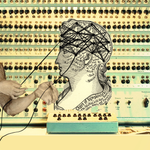


Deloitte. Sullivan & Cromwell. Now EY. Three organisations, three contexts, the same essential failure. At some point, the pattern becomes the story – and the story isn't about AI hallucinations.
AI fluency will matter in the workplace. But as AI-native graduates begin entering organisations in larger numbers, employers are starting to ask a deeper question: what skills become more valuable when technology can generate answers instantly?
As AI becomes more embedded in executive decision-making, a deeper question emerges: if a leader changes direction because AI suggests something different, who owns the decision? A reflection on judgement, accountability, and the communicator’s role.
Everything was in place – policies, training, guardrails. And still, AI errors slipped through. This isn’t a technology failure but a human one. Perhaps the answer is simple: someone must own verification.
I've been deep in ChatGPT since 2022. Now I'm running a deliberate, staged experiment with Claude Pro – and one feature in particular, Cowork, has genuinely surprised me. It has my full attention as I continue working it out.
In an AI-enabled environment, the greatest reputational risk isn't AI making mistakes. It's organisations hiding behind AI to avoid responsibility. The answer lies in human-centred AI – and it's where communicators have a distinctive role to play.
A Reuters Institute report maps a decade of shifts in how 18-24s relate to news. The findings go well beyond journalism – and carry clear implications for anyone communicating with younger audiences.
A New York Times review, an AI tool, and a missed check. The result wasn’t just overlap with another review – it was a lapse in process. A simple reminder: if AI touched it, you must verify it.