
Deloitte. Sullivan & Cromwell. Now EY. Three organisations, three contexts, the same essential failure. At some point, the pattern becomes the story – and the story isn't about AI hallucinations.
AI fluency will matter in the workplace. But as AI-native graduates begin entering organisations in larger numbers, employers are starting to ask a deeper question: what skills become more valuable when technology can generate answers instantly?
Everything was in place – policies, training, guardrails. And still, AI errors slipped through. This isn’t a technology failure but a human one. Perhaps the answer is simple: someone must own verification.
When people say they’d rather work with AI than with colleagues, something deeper is broken. New research on generational conflict reveals how misaligned leadership and communication are eroding trust in the workplace.
When a university professor lost two years of academic work after a single change to ChatGPT's settings, the lesson was stark. If the work matters, backups are your responsibility. ChatGPT is not an archive – and convenience is no substitute for protection.
AI is already superhuman. What’s still uncertain is whether our organisations and institutions are ready to use that power in ways that strengthen, rather than diminish, our humanity.
Reflections on slowing down, realigning values, and finding clarity in work that fits who you are today, not just what you do. Based on a recent IABC session with communication consultants, these are emergent themes of purpose, and a new sense of what success really looks like.
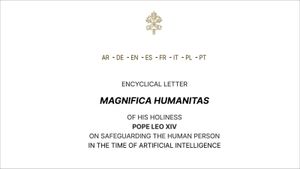
What do organisations owe humanity in the age of AI? Not just efficiency, but long-term flourishing. AI can be a story of dignity, space, and tools that help people thrive – and when people thrive, so do their organisations.