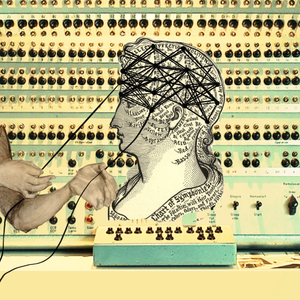


AI is already superhuman. What’s still uncertain is whether our organisations and institutions are ready to use that power in ways that strengthen, rather than diminish, our humanity.
What began with a post about the em dash became a conversation about much more – how we think about voice, authenticity and the human mind in an AI-shaped world. The comments revealed concerns about something deeper - not about punctuation, but about identity and how we choose to sound.
The Internet Archive has survived years of copyright battles, but at great cost. Half a million books are gone – erased by law. What does that mean for our shared digital memory, and what can we learn from the burning of books in the ancient Library of Alexandria?
The King faces a choice between protecting a brother and preserving a monarchy. If the Crown wants to survive as a moral institution rather than a relic of privilege, it must show that the rules apply to it, too.
Recent stories about Pope Leo XIV – from a supposed “leaked letter” to his rejection of an AI-generated avatar pope – reveal how easily spectacle overtakes substance. In an age of distortion, discernment and the wisdom of the heart matter more than ever.
What do organisations owe humanity in the age of AI? Not just efficiency, but long-term flourishing. AI can be a story of dignity, space, and tools that help people thrive – and when people thrive, so do their organisations.
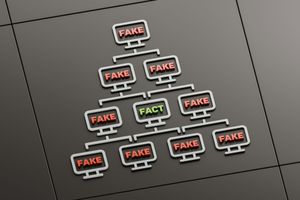
Communication hijacking is more than brand parody – it’s the hostile takeover of campaigns and narratives, when your words are seized and twisted, all designed to erode trust and legitimacy. Here’s why it matters, and what to do about it.
From Latin America to The Vatican to Saudi Arabia, AI is being reshaped around culture, dignity, and sovereignty. HUMAIN Chat is the latest sign that the future of AI will not be written in just one language or set of values.