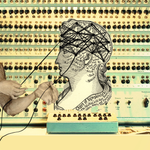
AI is already superhuman. What’s still uncertain is whether our organisations and institutions are ready to use that power in ways that strengthen, rather than diminish, our humanity.
AI can invent sources, quotes, and links with total confidence. If it touched your content, verification is no longer optional. Editors must now be fact-checkers. This is no longer best practice. It is the baseline.
Drawing on 23 candid interviews with senior communicators from global organisations, this review explores how today’s CCOs shape reputation, culture, and strategy across global organisations as the role evolves from reputation guardian to strategic partner in a rapidly changing world.
A run of recent Amazon delivery failures has made me rethink how much I can rely on a service I’ve trusted for 25 years. Silent drop-offs, inaccurate status alerts, and disappearing delivery photos point to a deeper issue: when communication slips, trust goes with it.
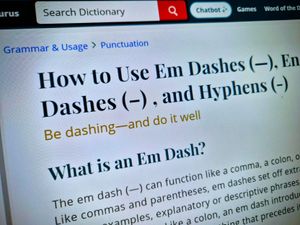
What began with a post about the em dash became a conversation about much more – how we think about voice, authenticity and the human mind in an AI-shaped world. The comments revealed concerns about something deeper - not about punctuation, but about identity and how we choose to sound.
The first cyberattack executed primarily by an autonomous AI isn’t hypothetical – it has already happened. Anthropic’s investigation shows how attackers manipulated Claude into running a full espionage campaign, marking a shift in how threats emerge, operate, and scale.
Vibe coding is changing how we create, shifting software from something we write to something we discuss. As AI becomes a collaborator, the real challenge is helping people use this new power responsibly – and communicators have a central role to play.
ChatGPT now promises to stop using em dashes when instructed, ending a surprisingly noisy debate over a tiny punctuation mark. But the real story is how AI picked up the em dash from us in the first place – and what that says about voice, trust and the way we write today.